


The Allure of Casino Games
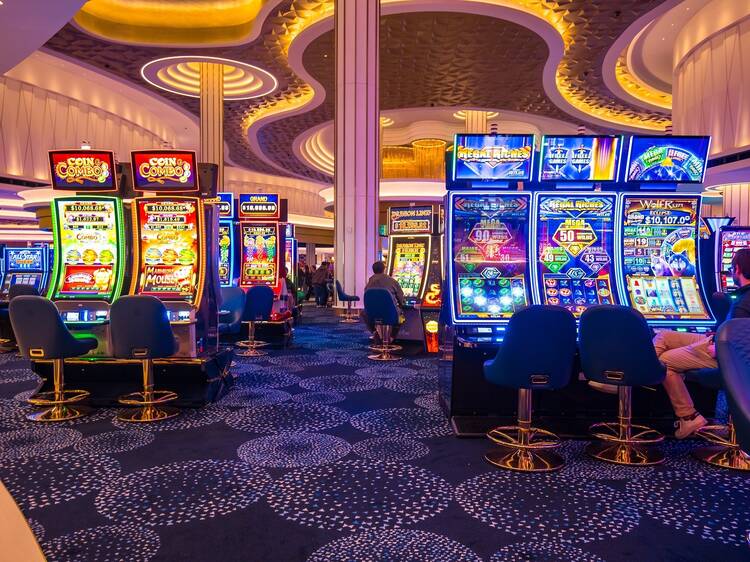
The thrill of casino games captivates millions around the globe, but what lies beneath this allure? The psychological factors influencing our decision to engage in gambling are complex and multifaceted. From the design of the games to the environment of the casinos, various elements play a crucial role in shaping our choices. The sensory aspects, such as vibrant lights and enticing sounds, create an immersive atmosphere that can trigger excitement and anticipation. Many people might explore options like casino not on gamstop, seeking alternatives that fit their preferences.
Furthermore, the excitement associated with risking money for the chance to win big taps into our basic instincts related to reward. This psychological phenomenon is often linked to the dopamine release in our brains, which occurs during times of excitement and potential reward, making the gaming experience even more appealing.
Risk and Reward Mentality
Casino games exploit our inherent risk-taking behavior, known as the risk-reward mentality. Many players are drawn to the prospect of winning substantial amounts of money, which can lead to euphoric feelings and a sense of achievement. This mentality encourages individuals to overlook potential losses, fueling their desire to play. The idea that one could strike it rich with just a single bet can create an irresistible allure, even for those who play for purely recreational purposes. The dynamics of a casino environment can enhance this experience for many enthusiasts.
This relationship between risk and reward also plays into the concept of “near misses.” When players come close to winning but ultimately lose, it can lead to a sense of frustration mixed with hope, keeping them engaged in the game. This psychological twist compels players to keep trying, driven by the belief that their next attempt could end in success.
The Social Aspect of Gambling
Another important factor in casino gaming choices is the social environment. Gambling is often seen as a communal activity, whether it’s sharing a table in a live casino or playing online with friends. This social aspect can enhance the enjoyment of the experience, as players bond through shared excitement and camaraderie. Casinos are designed to encourage social interactions, which can create a sense of belonging and connection among players.
Moreover, the social dynamics of gambling can further influence choices, as players may be swayed by the behaviors and attitudes of those around them. Observing others win or lose can impact a player’s perception of the game’s fairness and their likelihood of participating, as social proof becomes a significant motivational factor.
Cognitive Biases in Game Choices
Cognitive biases play a significant role in our decision-making processes within the casino environment. Many gamblers fall prey to the “gambler’s fallacy,” which is the belief that past events can predict future outcomes. This misguided notion often leads players to make irrational choices based on previous results, believing that their luck is bound to change. This cognitive distortion can drive increased playtime and higher stakes, as players chase their perceived chance of winning.
Another relevant bias is the “illusion of control,” where gamblers believe they can influence the outcome of random games. This false sense of agency can lead individuals to make more risky bets, reinforcing the cycle of gambling behavior. Understanding these cognitive biases is crucial for recognizing why we engage in specific gambling activities, as it sheds light on the irrationality behind many of our choices.
Promoting Work-Life Balance through Responsible Gambling
While casinos can provide thrilling entertainment, it is essential to approach gambling responsibly. The website employersforwork-lifebalance.org.uk emphasizes the importance of achieving a balanced work-life dynamic. By understanding the psychological triggers behind our gaming choices, individuals can engage in casino activities without compromising their overall well-being. Promoting responsible gambling practices can help players enjoy the excitement of the casino while maintaining their personal and professional lives.
Incorporating strategies for moderation and self-awareness can create a healthier relationship with gambling. The resources and support available through platforms dedicated to work-life balance can guide individuals in making informed decisions that prioritize their mental and emotional health, ensuring that their gaming choices enrich rather than detract from their lives.
Recent Comments